Burnout counselling helps you understand the pressures contributing to ongoing stress, exhaustion, and burnout. It gives you a chance to step back from the demands of work and life and look more clearly at what is happening.
In our work together, we can explore patterns that may be keeping you under pressure and identify what you can control. We may look at workload, expectations, boundaries, relationships and the way you respond when demands increase.
The aim is not simply to help you cope with another difficult period. It is to develop more sustainable ways of respond to pressure and look after your wellbeing.
I take a practical and personalised approach, based on your circumstances rather than a standard formula.
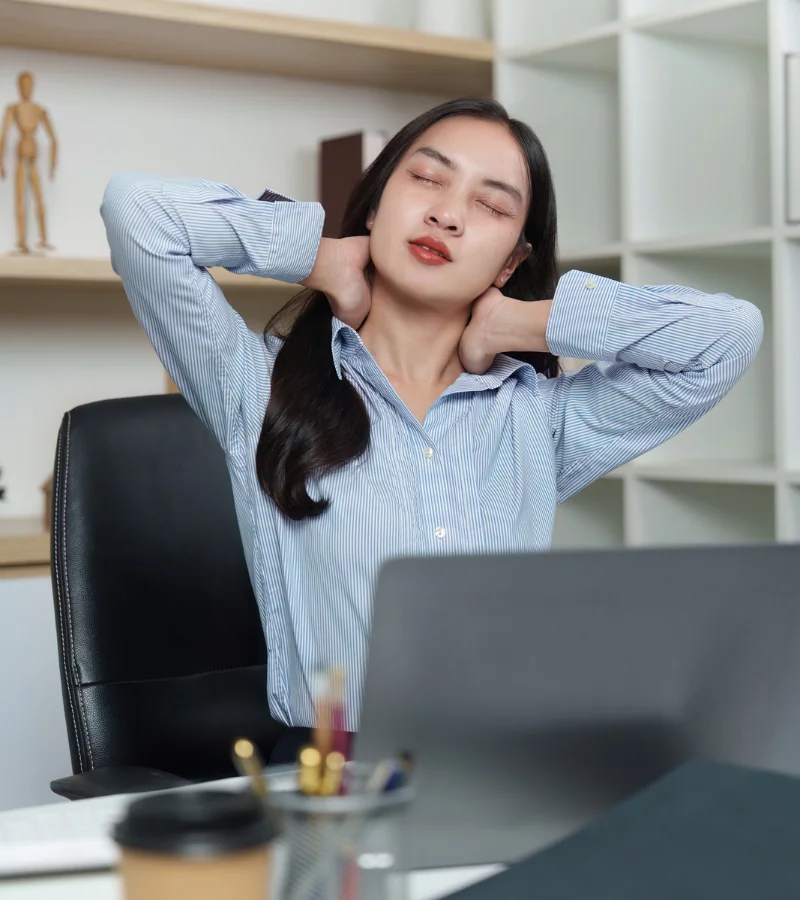
Burnout can develop gradually, so the signs are not always obvious at first. You may notice persistent exhaustion, difficulty switching off or a feeling that you are constantly running on empty.
Other signs can include reduced motivation, irritability, difficulty concentrating, feeling overwhelmed or becoming emotionally detached from work and other parts of life. You may also find that things you normally enjoy no longer give you the same sense of satisfaction.
Some people continue to function well professionally while feeling increasingly depleted privately.
If these changes continue alongside prolonged pressure and you are finding it harder to recover, it may be worth taking a closer look at what is happening.
Stress is generally a response to demanding circumstances, while burnout can develop when prolonged pressure continues without enough opportunity for recovery.
When you are stressed, you may feel pressured, worried, tense, or mentally overloaded. Burnout can involve deeper exhaustion, reduced motivation, emotional detachment, or difficulty sustaining your usual level of functioning.
The two can overlap, and ongoing work-related stress can contribute to burnout.
Understanding the difference can help you recognise whether you simply need to manage a demanding period or whether your work and coping need closer attention.
Yes. Burnout counselling can help you examine the factors contributing to workplace stress, including workload, leadership pressure, professional expectations, and difficult workplace relationships.
We can explore what is creating the greatest pressure and which parts of the situation are within your control.
This may include looking at boundaries, communication, expectations and the way you respond when demands become difficult to manage.
The focus is not on removing every source of pressure from your working life. It is on finding more sustainable ways to respond to pressure while protecting your wellbeing.
For professionals in Sydney, this can be part of a practical approach to workplace stress counselling that considers both your personal circumstances and professional environment.
Yes. Burnout counselling can suit experienced professionals, executives, and senior leaders who are performing at a high level but find their current pressure increasingly difficult to sustain.
You may still be meeting your responsibilities and performing well while noticing that you are exhausted, unable to switch off or becoming less patient and motivated.
Counselling can give you an opportunity to step outside your professional role and consider what is happening beneath the surface.
We can look at leadership pressure, expectations, boundaries, relationships and the demands associated with your role.
My experience in executive coaching, leadership coaching, counselling, and organisational work also helps me understand the professional context alongside the personal impact of ongoing pressure.
Yes. I offer online burnout and stress counselling via Zoom or Teams for clients across Australia and New Zealand.
Online counselling can be useful if you live outside Sydney, have a demanding schedule, or prefer a private setting that suits you.
The work remains personal and confidential, just as it is when we meet face-to-face.
If you are considering online counselling in Australia, we can discuss your circumstances during the complimentary 15-minute call and see whether this approach is suitable for you.
Stress counselling begins with understanding what is happening in your life and what is contributing to the pressure you are experiencing.
Rather than simply providing a list of stress-management techniques, I take time to understand the patterns, expectations and circumstances involved.
We can explore what is within your control, where boundaries may need attention and how you respond when pressure increases.
Depending on your situation, our work may also involve communication, emotional steadiness, workplace relationships and creating more sustainable ways of working.
The process is personalised, practical, and confidential, focusing on changes relevant to your circumstances.
Burnout counselling may be worth considering if ongoing stress is affecting your energy, concentration, motivation, relationships or ability to switch off from work.
You don’t need to wait until you feel completely overwhelmed to seek support.
Sometimes recognising that your current coping strategy is becoming difficult to sustain is enough reason to have a conversation.
You may also be unsure whether counselling or coaching is the right fit for what you are experiencing.
That is why I offer a complimentary 15-minute call before you make any decision.
We can discuss what’s been happening, what you would like help with, and whether my approach is right for your situation.
There is no obligation to continue, so you can use the conversation simply to decide whether working together feels right for you.